
Role of BIM 360 in Cloud-Based BIM
February 7, 2025
Written by BIM Outsourcing
Introduction
Building Information Modelling (BIM) technology has changed the ways of designing, constructing, and managing buildings in the Architecture, Engineering, and Construction (AEC) industry. The traditional approach to BIM involved the creation of a 3D model that showcases both the physical and functional aspects of a building, enabling stakeholders to make better decisions and avoid mistakes through improved collaboration. However, with the increasing demand for quick and efficient construction practices, cloud-based BIM is the only solution to fulfill these essentials.
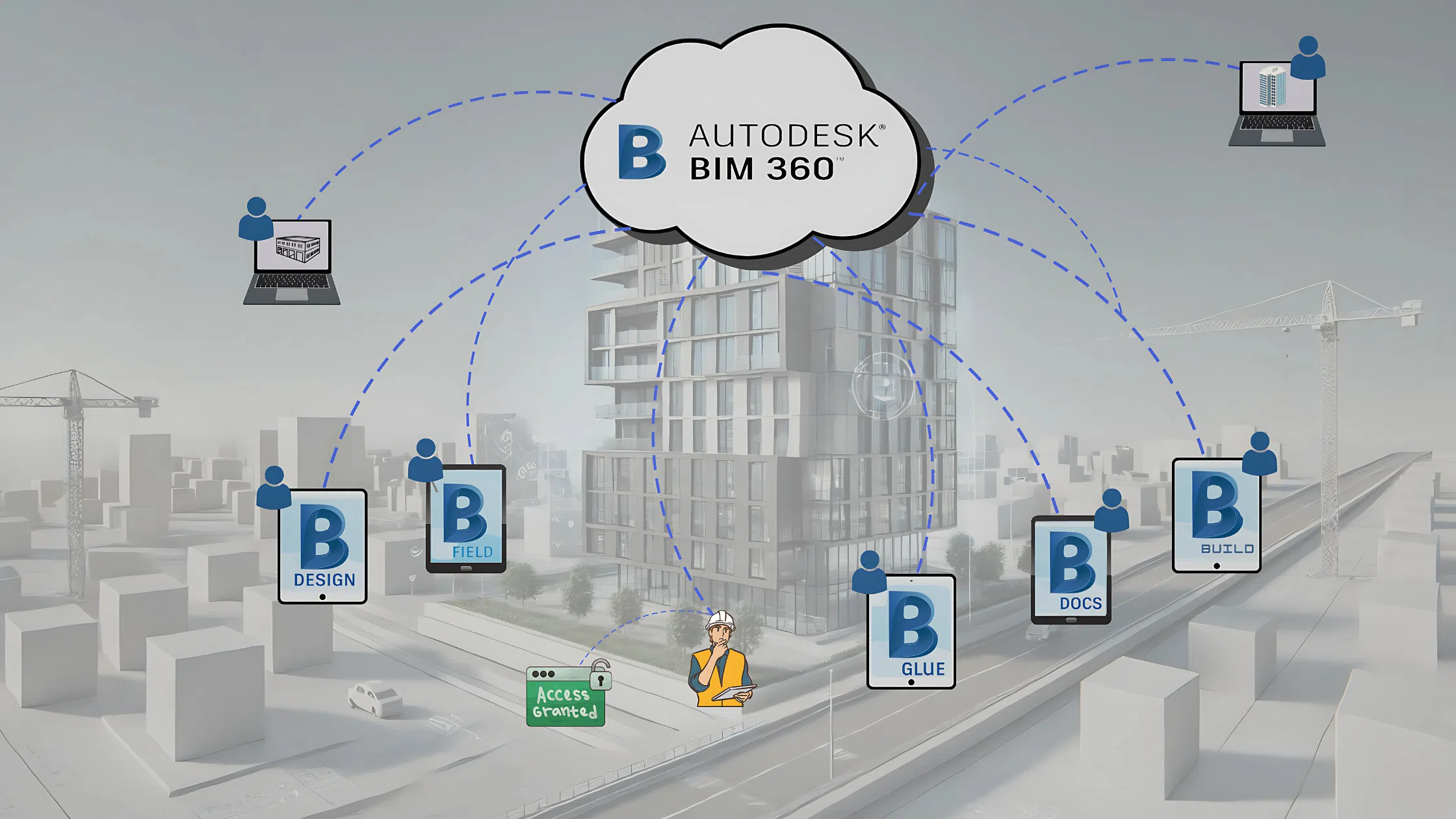
Cloud-based BIM refers to the combination of BIM with cloud technology. Autodesk BIM 360 is a well-known platform for cloud-based BIM that allows stakeholders to manage projects efficiently through real-time collaboration and data storage with robust security measures, making the workflow smoother from design to on-site execution and beyond. This blog delves into understanding the concept of cloud-based BIM, its benefits, and how BIM 360 helps in enhancing the management of construction projects in real-time.
Understanding Cloud-Based BIM
The main difference between traditional BIM and Cloud-Based BIM is that, unlike traditional BIM, Cloud-Based BIM stores and manages data online without relying on local servers or computers for storage. This allows authorized stakeholders to collaborate easily by having an internet connection from any location to access up-to-date data related to the project.
Cloud-Based BIM provides access to everyone with the latest information about the project, keeping stakeholders such as architects, engineers, and clients on the same page, reducing errors and miscommunication, fostering collaboration, and instantly updating any changes made to the project. Authorized users with access can view and make changes to the data in real-time.
Primary Functionalities of Cloud-Based BIM
- Improved Collaboration
Cloud-Based BIM enables teams to collaborate remotely in a seamless manner. They are authorized to make changes to the project that are immediately updated or reflected in the model, ensuring that everyone involved in the project is provided with the latest, up-to-date information rather than outdated data. This prevents the chance of miscommunication and delays, optimizing overall project outcomes through efficient collaboration, which is a key characteristic that traditional BIM lacks.
- Centralized Data Storage
Platforms like BIM 360 serve as a centralized digital data storage location in Cloud-Based BIM, allowing the storage of project-related data such as models, documents, and schedules that are essential for the execution. Keeping the data in one place prevents the chances of fragmented data and avoids conflicts like working with outdated data by enabling stakeholders to access and update information instantly. This reduces rework, delays, and increases project efficiency.
- Remote Access
Cloud-Based BIM has a key characteristic, which is remote access, allowing project stakeholders to access crucial information regardless of their location, simply by having an internet connection, whether operating on-site or from any office. It improves collaboration by enabling teams to operate remotely from different time zones, keeping a close eye on project updates in real time.
- Version Tracking
Unlike conventional BIM workflows, Cloud-Based BIM makes version tracking easy by maintaining a record of updated model or document versions and allowing easy retrieval of previous versions if needed for inspecting decisions or changes made. This ensures the validity of the information stakeholders are using, reducing the risks of relying on invalid or conflicting information, which can lead to project delays and rework.
- Enhanced Security
Protecting sensitive data from breaches and changes is crucial and a major concern in the construction industry. To ensure security, two-factor authentication and robust encryption techniques are implemented by Cloud-based BIM, so unauthorized users cannot access any project-related information, reducing the risks of exposure to confidential data and providing access only to authorized personnel for data management and sharing.
Key Outcomes of Cloud-Based BIM
- Better Communication and Collaboration
By leveraging cloud-based BIM, stakeholders can contribute to the project seamlessly, regardless of geographical location and time zones, improving communication and coordination through instant access to the model and documents. Changes made within it are visible globally to authorized personnel, reducing delays and fostering collaboration while keeping everyone on the same page.
- Reduced Delays and Increased Efficiency
The availability and accessibility of data in a centralized location through cloud-based BIM enable stakeholders to coordinate more efficiently, rather than relying on redundant communication and the transfer of project-related files or documents, avoiding issues with version control and waiting for the data. This proactive approach refines the entire workflow, reduces delays, and keeps track of costs.
- Reduced Rework and Errors
Cloud-based BIM synchronizes changes or updates within the model so that everyone has the latest information, minimizing the risk of errors, such as potential design clashes or working with outdated or incorrect material information, which can lead to delays and costly rework. With the help of version control and updated data, teams can avoid confusion and ensure that they are using accurate, up-to-date information.
- Increased Project Transparency
Cloud-based BIM provides access to the same information for all team members or stakeholders working on a project, increasing transparency, awareness, and elevating insights into the project. This keeps stakeholders notified about the project’s status, whether it is completed or in progress, while monitoring every activity to meet deadlines by following the schedule.
- Cost Optimization
With the availability of cloud services, the need to invest in expensive hardware and enormous IT servers is reduced. Methods such as pay-as-you-go and subscriptions ensure that you pay for what you use. Cloud-based BIM optimizes the budget by identifying errors and delays and reducing rework.
- Better Decision-Making
Well-informed decisions can be made by teams by accessing real-time data and utilizing improved collaboration, leading to better planning, risk avoidance, and boosting the overall outcomes of the project. Visualization and interaction with the 3D models are key elements that empower stakeholders to make sustainable design choices that effectively contribute to the success of a project.
The Role of Autodesk’s BIM 360 in Enhancing Cloud-Based BIM
Autodesk’s BIM 360 is a cloud-based construction management platform leveraged by companies to achieve optimized workflows through improved collaboration, document management, and monitoring real-time progress throughout the entire project while ensuring quality. BIM 360 includes the following features:
- BIM 360 Docs
It is a tool offered by BIM 360 for managing documents efficiently, centralizing all documents in an organized manner while keeping version control, so that stakeholders can work with the latest information instead of outdated data.
- BIM 360 Design
This tool is used by architects and engineers to make design changes in the BIM model that are instantly reflected in the model and visible to stakeholders. It fosters seamless collaboration and communication while working on a project.
- BIM 360 Build
BIM 360 Build is a tool that helps contractors maintain field data and monitor project progress in real-time while ensuring safety inspections and compliance with quality standards.
- BIM 360 Coordinate
BIM 360 Coordinate is a tool widely leveraged by clash detection teams to detect clashes within a model ahead of time by coordinating construction and design information. It helps identify potential conflicts early and reduces costly rework and project delays by addressing them.
- BIM 360 Glue
BIM 360 Glue helps teams streamline workflows by connecting the entire team, and it supports several file formats, ensuring stakeholders have access to the up-to-date version of every model.
Conclusion
Cloud-based BIM platforms, such as BIM 360, play a vital role in levelling up the design and management of complex construction projects by streamlining workflows, improving collaboration and coordination, and reducing project delays and costly rework. They foster innovation and improve overall outcomes in the AEC industry. BIM 360 offers a wide range of tools that provide accessibility, scalability, and security of information.